
Electric Motorcycles for Income-Generating Riders: What Operators Should Know
By E-Moto Launch · Updated July 7, 2026
Delivery riders, moto-taxi drivers, and rental users judge an electric motorcycle by one question: can it help them work a full day without losing money to downtime?
An electric motorcycle used for income is different from a personal commuter model. A commuter may accept limited range, slow charging, or a light-duty frame if the price is attractive. A rider who earns money on the motorcycle has less room for compromise. Every hour parked for charging, repair, or battery problems can reduce daily income.
For fleet operators, the buying decision should start with the operating day. How far does the rider travel? How much load does the motorcycle carry? Can the rider charge at home, at a depot, or only during work? What happens when a battery fails? These answers matter more than a glossy product photo.
Need help shaping your pilot?
Share your rider use case, target fleet size, daily mileage, and battery plan. We can help you compare practical options before you commit to a larger order.
Plan Your Fleet PilotStart with the rider's working day
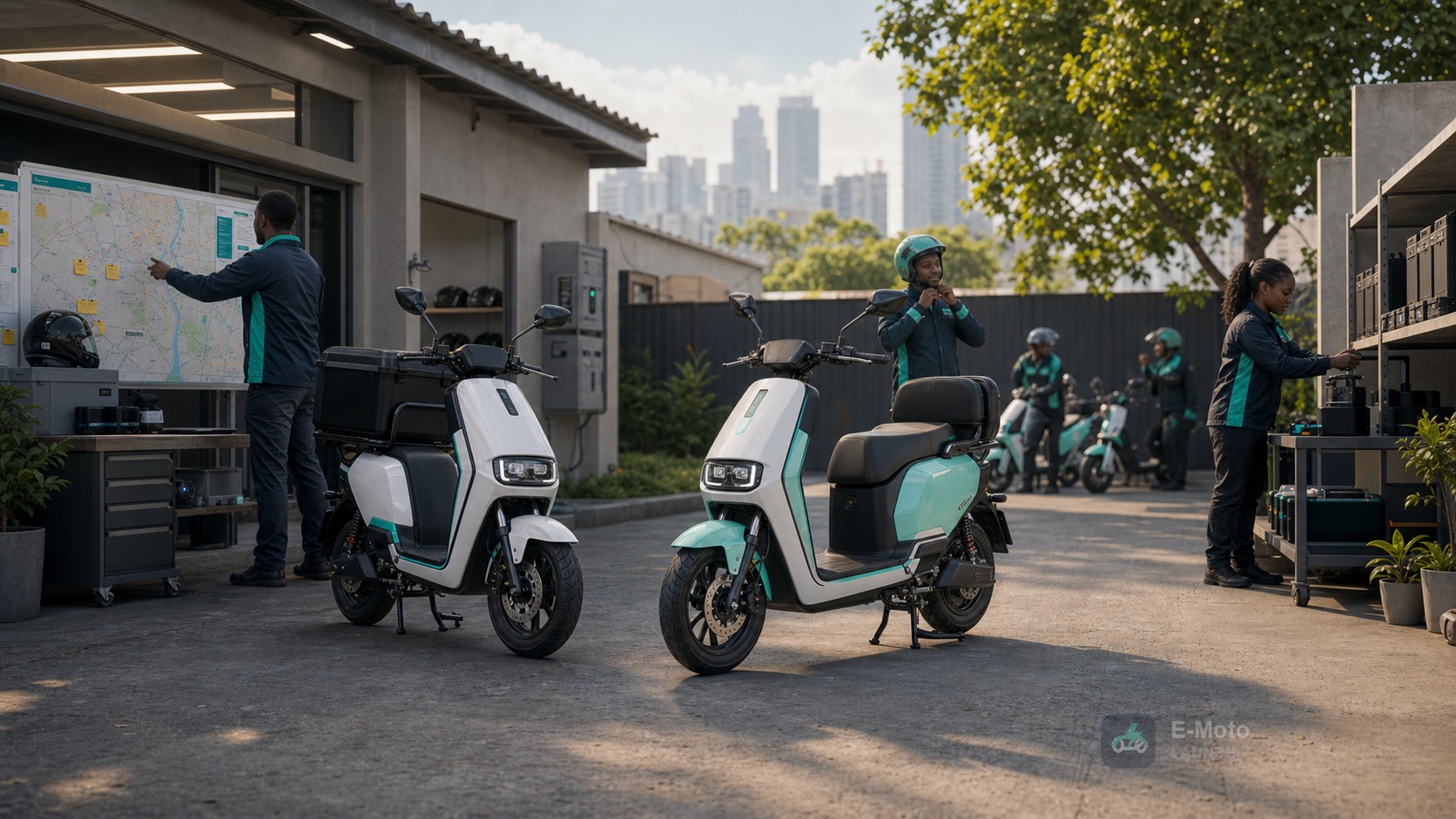
A useful specification sheet should match a normal working route. For delivery riders, that may mean short trips, frequent stops, and a rear box carrying food or parcels. For moto-taxi drivers, it means passenger weight, seat comfort, braking confidence, and enough power to handle local roads. For rental operators, it also means asset control, damage risk, and easy inspection between users.
Before choosing a model, operators should estimate daily mileage, peak-hour usage, parking time, load, road condition, and charging access. A motorcycle that looks affordable at purchase can become expensive if it cannot finish the workday.
Specifications that matter in daily work
Range is important, but range claims need context. Factory range is often tested under lighter load and steady riding. Commercial riders face traffic, hills, passenger weight, cargo, bad roads, and repeated acceleration. Operators should ask how the motorcycle performs under the expected rider weight and load, including local road conditions.
Brakes, tires, suspension, controller quality, frame strength, and waterproofing deserve close attention. These parts decide whether the motorcycle can handle repeated daily use. A delivery fleet with weak brakes or poor tires will feel the cost in repairs, complaints, and rider trust.
Battery configuration also changes the business model. A lower-cost battery can work for lighter use, while high-mileage riders may need lithium batteries, faster charging, or battery swapping. The right answer depends on rider income, daily distance, and how the operator plans to recover the asset cost.
Do not overpay for the wrong features
Top speed, oversized screens, and luxury styling can make a model look attractive, but they may not improve the rider's earnings. In many commercial projects, a practical electric motorcycle with stable range, easy service, and sensible battery cost is a better fit than a premium-looking model with features the rider does not use.
Operators should compare total operating fit instead of product tier alone. The strongest solution is the one that matches the local route, budget, rider behavior, and maintenance capacity.
Questions to answer before requesting a quotation
- What is the expected daily mileage per rider?
- Will the motorcycle carry parcels, passengers, or both?
- Where will riders charge or swap batteries?
- How many hours per day must the motorcycle stay available?
- Who will repair the motorcycle and manage spare parts?
- Does the business need GPS, payment records, rider accounts, or remote asset control?
Use a pilot to check the model
A small pilot gives the operator a chance to test rider acceptance, battery behavior, repair needs, and daily cost per kilometer. The pilot should include real riders on normal routes instead of short demonstrations. After 30 to 60 days, the operator will know whether the selected electric motorcycle fits the work it must do.
Income Rider FAQ
What matters most for delivery riders?
Reliable daily range, low energy cost, fast repair, stable braking, rear cargo fit, and a charging plan that does not interrupt peak earning hours.
Why should operators avoid choosing only by purchase price?
A cheaper motorcycle can become expensive if it causes rider downtime, frequent battery replacement, poor range under load, or service problems that reduce fleet availability.