
Electric Motorcycles for Moto-Taxi Operators
By E-Moto Launch · Updated July 7, 2026
Moto-taxi riders need an electric motorcycle that can carry passengers all day, keep operating costs predictable, and stay easy to service in local conditions.
A moto-taxi motorcycle is an income tool. It works under passenger load, uneven road surfaces, stop-and-go traffic, and long waiting periods near pickup points. Operators should evaluate electric motorcycles around that working pattern rather than comparing showroom specifications.
The right motorcycle should help the rider protect daily income. If range drops too quickly with a passenger, if charging removes the rider from peak hours, or if repairs take too long, the business case becomes weak even when the purchase price looks attractive.
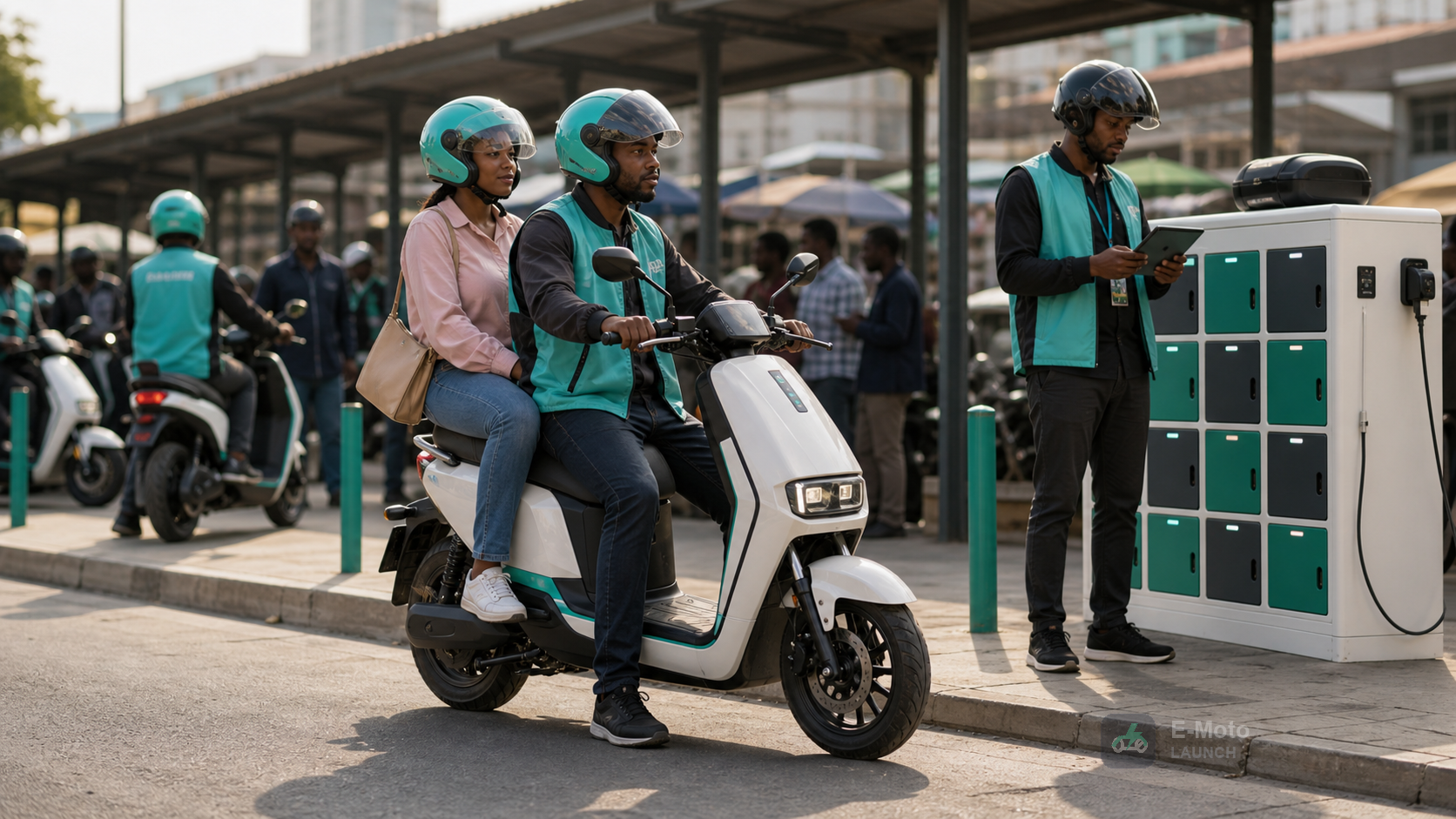
Passenger use changes the specification
Moto-taxi use puts steady pressure on frame strength, suspension, brakes, tires, seat length, passenger footrests, and controller tuning. A model that works for light delivery may still need a passenger-ready setup for two-person riding.
Operators should test range with rider and passenger weight, not an empty motorcycle. They should also test hill starts, braking distance, road vibration, and rider comfort during a normal shift.
Planning a moto-taxi pilot?
Share your routes, rider count, daily mileage, and energy plan. We can help you compare practical electric motorcycle configurations before you buy a pilot fleet.
Plan Your Fleet PilotCharging time must fit rider income
Moto-taxi riders often earn during peak commute hours and busy evening periods. Charging plans should avoid taking the rider offline when passenger demand is highest. Depot charging can work when riders have predictable shifts. Home charging can work when riders have safe parking and reliable electricity. Battery swapping may fit riders who work long hours and cannot wait.
The operator should calculate energy cost per working day instead of range per charge alone. A rider may accept a new routine if the motorcycle lowers fuel cost while keeping enough work hours available.
Service speed matters
Moto-taxi fleets need fast repair for tires, brakes, lights, controllers, chargers, and body parts. Riders cannot wait for imported parts after every small failure. Before scaling, operators should decide which parts will be stocked locally and who will perform basic maintenance.
A pilot should record repair frequency, repair time, rider complaints, and any passenger comfort issues. These findings are more useful than a short demonstration ride.
What to check before ordering
- Typical rider and passenger weight
- Daily kilometers during normal and peak days
- Road condition, hills, rain, dust, and heat
- Charging or swapping access near rider routes
- Seat comfort, passenger footrests, lighting, and braking
- Local spare parts plan and mechanic training
- Software needs for GPS, rider accounts, payments, and maintenance records